Why Tracking Instagram Follower Growth Matters in 2026
Picture this: 100,000 people packed into a stadium, all watching your every move. That’s the reality when you hit 100k followers on Instagram. But here’s the thing—getting there isn’t about luck. It’s about understanding your numbers, tracking what works, and making data-driven decisions.
Instagram follower growth isn’t just a vanity metric. It’s a direct indicator of your content’s reach, your brand’s influence, and ultimately, your potential for monetization. Whether you’re a content creator building your personal brand, a small business owner trying to reach new customers, or a marketing professional managing multiple accounts, understanding your follower analytics is non-negotiable.
Finding the best instagram follower tracker can save you time and protect your account.
When you need to instagram follower tracker, having the right tools makes all the difference.
In 2026, Instagram’s algorithm has evolved significantly. Views have become the universal metric across all formats—Reels, Stories, and feed posts. Shares now carry more weight than likes in determining content distribution. This shift means that tracking your follower growth requires a more sophisticated approach than simply watching your follower count tick up or down.
Understanding Instagram’s Native Analytics
Instagram provides built-in analytics through its Professional Dashboard, available to all Business and Creator accounts. If you haven’t switched yet, it’s time—the insights you gain are invaluable.
Key Metrics in Instagram Insights
Accounts Reached: This shows how many unique accounts saw your content. It’s broken down by followers vs. non-followers, giving you insight into how well your content performs with new audiences.
When comparing instagram follower tracker, security should be your top priority.
Accounts Engaged: Beyond just seeing your content, this metric shows who actually interacted with it through likes, comments, saves, and shares.
Many Instagram users search for ways to instagram follower tracker safely and effectively.
Total Followers: The overview shows your current count, but more importantly, it displays your growth over time—daily, weekly, and monthly trends.
The most reliable instagram follower tracker don’t require your Instagram password.
Content Interactions: Detailed breakdowns of how each post, Story, and Reel performed, including reach, impressions, and engagement metrics.
The ability to instagram follower tracker helps you maintain a healthy Instagram presence.
How to Access Instagram Insights
- Open your Instagram profile
- Tap the Professional Dashboard or Insights button
- Navigate to “Total Followers” for growth data
- Select your date range (7, 14, 30, or 90 days)
Learning how to instagram follower tracker is essential for serious Instagram users.
The native analytics are solid for basic tracking, but they have limitations. You can only see data for the past 90 days, and there’s no way to track who specifically unfollowed you or identify patterns in follower loss.
The Instagram Follower Growth Rate Formula
Understanding your growth rate is more valuable than knowing your raw follower count. Here’s how to calculate it:
Follower Growth Rate = ((New Followers - Lost Followers) / Starting Followers) × 100
For example, if you started the month with 10,000 followers, gained 500, and lost 200:
- Net gain: 300 followers
- Growth rate: (300 / 10,000) × 100 = 3%
What’s a Good Growth Rate?
According to 2025-2026 benchmarks:
- 1-2% monthly growth: Average for established accounts
- 3-5% monthly growth: Above average, indicates strong content strategy
- 5%+ monthly growth: Excellent, often seen with viral content or strategic collaborations
Interestingly, 76% of Instagram accounts globally now fall within the 1,000 to 10,000 follower range. This “mid-sized” segment has become the new normal, and growth rates in this range tend to be more volatile but also more achievable.
Why Tracking Unfollowers Is Just as Important
Here’s what most people miss: tracking who unfollows you is just as crucial as tracking new followers. Why? Because unfollower patterns reveal:
- Content that doesn’t resonate: A spike in unfollows after a specific post type tells you what to avoid (understand why people unfollow)
- Posting frequency issues: Too many posts can drive people away; too few can make them forget you
- Audience mismatch: If you’re attracting followers who quickly leave, your content might not match their expectations
- Bot cleanup: Instagram periodically removes fake accounts, which can cause sudden drops
The problem? Instagram doesn’t tell you who unfollowed you. The app keeps this information private, leaving you guessing about why your numbers dropped.
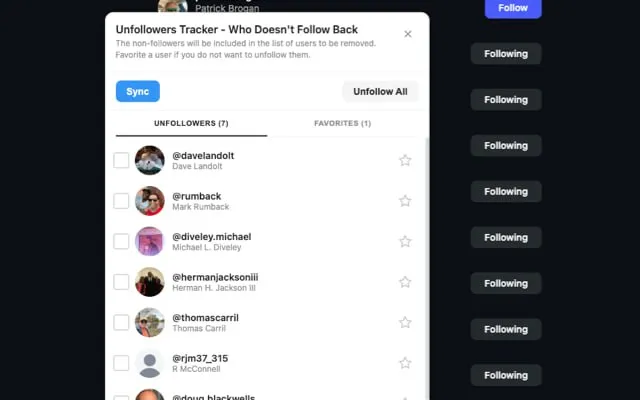
This is where third-party tools become essential. The Unfollowers Tracker browser extension solves this problem by helping you identify who unfollowed your account. Unlike risky mobile apps that require your Instagram password, browser extensions work safely without violating Instagram’s terms of service or putting your account at risk.
You can also use our free Analyze Tool to compare your Instagram followers and following lists—just upload your exported data and instantly see who doesn’t follow you back.
5 Methods to Track Instagram Followers Over Time
Method 1: Instagram’s Native Insights
Best for: Basic tracking, free option Limitations: 90-day history only, no unfollower tracking
Navigate to your Professional Dashboard and check the Followers section regularly. Screenshot or note your numbers weekly to build a longer-term record.
Method 2: Spreadsheet Tracking
Best for: Complete control, historical data Limitations: Manual effort required
Create a simple spreadsheet with columns for:
- Date
- Total followers
- New followers (if known)
- Unfollowers (if known)
- Notable content posted
- Engagement rate
This old-school method gives you unlimited historical data and lets you correlate growth with specific actions.
Method 3: Browser Extensions
Best for: Unfollower tracking, safety-conscious users Limitations: Requires desktop access
Tools like the Unfollowers Tracker extension work directly in your browser without requiring your Instagram password. They analyze publicly available data to show you who’s no longer following you, helping you understand your audience better without risking your account security.
→ Get Unfollowers Tracker Free
Method 4: Third-Party Analytics Platforms
Best for: Comprehensive analytics, multi-account management Limitations: Often paid, varying reliability
Popular options include:
- Metricool: Automatic tracking with detailed reports
- NapoleonCat: Historical data and competitor analysis
- Iconosquare: Advanced analytics with benchmarking
- Buffer: Scheduling plus analytics in one platform
Method 5: Social Media Management Suites
Best for: Agencies, businesses managing multiple platforms Limitations: Higher cost, steeper learning curve
Enterprise solutions like Sprout Social, Hootsuite, and Sociality.io offer Instagram analytics as part of broader social media management packages.
Key Metrics Beyond Follower Count
Smart Instagram growth isn’t just about the number. Here are the metrics that actually matter:
Engagement Rate
Formula: (Likes + Comments + Saves + Shares) / Followers × 100
A healthy engagement rate in 2026:
- 1-3%: Average
- 3-6%: Good
- 6%+: Excellent
Reach Rate
Formula: Accounts Reached / Followers × 100
This tells you what percentage of your followers actually see your content. Instagram’s algorithm means not everyone sees every post.
Save Rate
Saves have become increasingly important. When someone saves your post, it signals to Instagram that your content has lasting value, boosting its distribution.
Share Rate
In 2025-2026, shares carry more algorithmic weight than likes. Content that gets shared reaches new audiences and signals high value to Instagram.
Story Completion Rate
For Stories, track how many viewers watch through to the end. High drop-off rates indicate your Stories aren’t holding attention.
The Posting Frequency Sweet Spot
New data from Buffer’s analysis of over 2 million posts reveals a clear correlation between posting frequency and follower growth:
| Posting Frequency | Follower Growth Impact |
|---|---|
| 1-2 posts/week | Baseline growth |
| 3-5 posts/week | 2x growth rate |
| 6-9 posts/week | Maximum growth potential |
But here’s the nuance: quality still trumps quantity. Posting 9 mediocre posts won’t outperform 3 excellent ones. The key is finding your sustainable frequency—the maximum number of high-quality posts you can consistently produce.
Content Mix Recommendations
For optimal growth in 2026:
- Reels: 3-4 per week (highest reach potential)
- Carousel posts: 2-3 per week (highest save rate)
- Stories: Daily (maintains engagement)
- Single image posts: 1-2 per week (brand consistency)
Red Flags: When Your Growth Stalls
Watch for these warning signs:
Sudden Follower Drops
If you lose a significant number of followers overnight, it could be:
- Instagram’s bot purge (normal, don’t panic)
- A controversial post
- Shadowbanning (check if your hashtags are working)
Flat Growth Despite Increased Posting
This often indicates:
- Content fatigue (your audience has seen it before)
- Algorithm changes affecting your reach
- Audience mismatch (attracting the wrong followers)
High Follower Gain, Low Engagement
This red flag suggests:
- Bot followers (from follow/unfollow schemes)
- Viral reach that didn’t convert to engaged followers
- Giveaway followers who only wanted the prize
Tools to Avoid: The Risky Apps
A word of caution: many Instagram follower tracker apps on mobile app stores are dangerous. They often:
- Require your Instagram password: This violates Instagram’s terms and risks your account
- Use unauthorized API access: Can get your account banned
- Sell your data: Your login credentials become a commodity
- Deploy deceptive practices: Fake reviews and hidden charges
The safest approach is using Instagram’s native analytics combined with browser-based tools that don’t require your password. The Unfollowers Tracker extension is designed with this safety-first approach, analyzing only publicly available data without ever accessing your login credentials.
Building a Data-Driven Growth Strategy
Here’s how to turn your analytics into action:
Weekly Review Routine
Every week, check:
- Net follower change
- Top-performing content
- Unfollower patterns (using Unfollowers Tracker)
- Engagement rate trends
- Best posting times
Monthly Deep Dive
Once a month, analyze:
- Overall growth rate vs. previous months
- Content type performance comparison
- Audience demographic shifts
- Competitor benchmarking
- Strategy adjustments needed
Quarterly Strategy Sessions
Every quarter, reassess:
- Are you hitting growth targets?
- What content themes performed best?
- Should you adjust your posting frequency?
- Are there new features to leverage?
- What experiments should you run next quarter?
The Future of Instagram Analytics
Looking ahead, several trends are shaping how we’ll track Instagram growth:
AI-Powered Insights: Expect more predictive analytics that tell you what content will perform before you post it.
Cross-Platform Integration: As Meta continues integrating Instagram with Facebook and Threads, analytics will become more unified.
Creator-Focused Metrics: Instagram is developing more tools specifically for creators, including better monetization tracking.
Privacy-First Tracking: With increasing privacy regulations, expect analytics tools to evolve toward privacy-compliant methods—another reason to choose safe tools like browser extensions over risky mobile apps.
Frequently Asked Questions
How often should I check my Instagram analytics?
For most users, a weekly check is sufficient. Daily monitoring can lead to overreaction to normal fluctuations. However, if you’re running a campaign or testing new content, daily checks make sense.
Can I see who unfollowed me on Instagram?
Instagram doesn’t provide this information natively. You’ll need a third-party tool like the Unfollowers Tracker browser extension to identify who unfollowed you. Avoid mobile apps that require your password—they’re not safe.
What’s a normal follower fluctuation?
It’s normal to gain and lose followers daily. A healthy account might see 1-3% fluctuation. Concern arises when you see consistent losses over multiple days or sudden large drops (outside of Instagram’s bot purges).
Why did I lose followers overnight?
Common reasons include: Instagram removing bot/spam accounts, a post that didn’t resonate with your audience, changes in your posting frequency, or being unfollowed by accounts doing follow/unfollow schemes.
How can I grow my Instagram followers organically?
Focus on: consistent posting (3-5 times per week), engaging with your community, using relevant hashtags, creating shareable Reels, collaborating with others in your niche, and posting when your audience is most active.
Are Instagram follower tracker apps safe?
Many are not. Apps that require your Instagram password violate Instagram’s terms and risk your account security. Safer alternatives include Instagram’s native insights and browser extensions like Unfollowers Tracker that don’t require login credentials. Learn more about how to track Instagram activity without getting banned.
How do I calculate my engagement rate?
Add up your likes, comments, saves, and shares, then divide by your follower count and multiply by 100. For example: (500 likes + 50 comments + 100 saves + 25 shares) / 10,000 followers × 100 = 6.75% engagement rate.
What’s more important: follower count or engagement rate?
Engagement rate is generally more valuable. A smaller, highly engaged audience often outperforms a large, passive one—especially for monetization and brand partnerships.
Conclusion
Tracking your Instagram follower growth isn’t about obsessing over numbers—it’s about understanding your audience and making smarter decisions. In 2026, the creators and brands winning on Instagram are those who combine Instagram’s native analytics with specialized tools to get the complete picture.
Start with Instagram Insights for the basics. Add a tool like the Unfollowers Tracker extension to understand who’s leaving and why. Build a weekly review habit. And most importantly, use your data to inform your content strategy, not just to feel good (or bad) about your numbers.
Your follower count is a lagging indicator—it reflects past performance. But with the right analytics approach, you can turn it into a leading indicator that guides your future success on the platform.
The accounts that grow consistently aren’t the ones posting randomly and hoping for the best. They’re the ones tracking, analyzing, and adapting. Now you have the knowledge to join them.
→ Try Unfollowers Tracker Free | → Analyze Your Data